
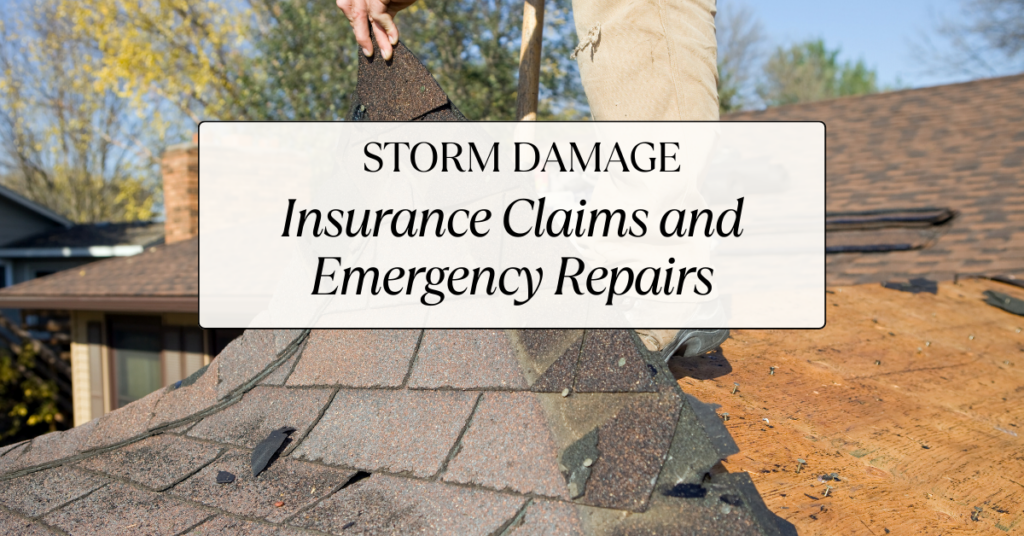
According to insurance industry data, wind and hail accounted for over half of all residential roofing claims in 2024, with roof repair and replacement costs reaching nearly $31 billion nationwide.
Pennsylvania ranks 8th nationally for homeowners insurance losses, with our spring and summer severe weather season creating predictable waves of storm damage across the state.
We’re breaking down exactly what Pennsylvania homeowners need to know when storm damage strikes.
Types of Storm Damage Common to Pennsylvania Roofs
Understanding the different types of storm damage helps you identify problems and communicate effectively with insurers and contractors.
Wind damage: Pennsylvania’s severe thunderstorms and occasional tropical weather bring sustained winds of 39-73 mph (tropical storm force) or even 74+ mph (hurricane force). High winds can lift and remove shingles entirely, break the seals on shingles causing them to flap and eventually fail, rip off ridge caps along roof peaks, tear or damage flashing around chimneys and vents, and snap tree branches that impact your roof.
Insurance typically covers storm damage from wind, including straight-line winds during heavy thunderstorms, hailstorms, snowstorms, or tornadoes, as well as damage from fallen trees and limbs.
Hail damage: Pennsylvania experiences frequent severe thunderstorms producing hail ranging from pea-sized to golf ball-sized or larger.
According to professional standards, hail around 1 inch in diameter or bigger will damage your roof and prompt an insurance claim, though hail of less than 1 inch can damage older siding and roofing materials.
Hail creates characteristic damage patterns including dents or pits in shingles (look like bruises), granule loss exposing the asphalt layer beneath, cracked or split shingles from impact, dents in metal components like flashing, vents, and gutters, and damage to skylights or other roof accessories.
Hail damage requires close inspection to identify—you often can’t see it from the ground. Look for collateral damage to verify hail impact: dents in aluminum siding, damage to gutters and downspouts (above 5 feet so it can’t be blamed on lawnmowers), dents in air conditioning units, and damage to deck railings, mailboxes, or other exposed surfaces.
Heavy rain and water infiltration: While rain alone typically doesn’t damage roofs, heavy rainfall combined with existing vulnerabilities creates problems. Clogged gutters cause water backup under shingles, damaged or missing shingles allow direct water penetration, inadequate flashing permits water intrusion around penetrations, and standing water on low-slope sections can infiltrate through small defects.
Tree and debris impact: High winds turn branches and debris into projectiles. Impact damage includes punctures or tears in roofing materials from branches, crushed or compressed areas from fallen limbs or trees, damaged or destroyed flashing from impact, and debris trapped under shingles preventing them from resealing.
If a tree falls on your house, evacuate immediately if safe to do so and hire professionals to tarp exposed areas and remove the tree safely.
Immediate Steps After Storm Damage
The first 24-48 hours after storm damage are critical for protecting your home and preserving your insurance claim.
Ensure safety first: Never go on your roof to inspect damage, especially after severe weather when surfaces are wet, debris-laden, or structurally compromised. Don’t touch downed power lines or approach areas where utilities might be damaged. If you suspect significant structural damage, evacuate and call professionals.
Document everything thoroughly: As soon as it’s safe, document all visible damage with photos and videos. Take wide shots showing overall damage context and close-ups of specific damage like missing shingles, dents, or cracks. Document collateral damage (dents in gutters, damaged siding, debris in yard) that corroborates roof damage. Photograph interior damage if leaks have occurred—ceiling stains, water pooling, damaged belongings.
According to claims professionals, insurance companies rely heavily on clear evidence when processing claims, and roof damage from storms can sometimes be subtle, especially when caused by smaller hailstones. The more thorough your documentation, the stronger your claim.
Prevent further damage: You have a responsibility to mitigate additional damage after a storm. Remove water from interior spaces using towels, mops, or wet-vacs. Move valuable items away from leak areas. Place buckets under active drips. Cover damaged areas with tarps if you can do so safely from inside your attic.
For significant roof damage where interior spaces are exposed to weather, professional emergency tarping is essential. We provide 24/7 emergency tarping services throughout Chester County, Montgomery County, and southeastern Pennsylvania to secure your home immediately after storm damage, preventing thousands in additional water damage while you navigate the insurance and repair process.
Contact your insurance company promptly: Most policies require notification within a reasonable timeframe—often days to weeks, not months. Call your insurance company’s claims line as soon as possible after identifying damage. Provide your policy number, describe the storm event and date, and explain the visible damage you’ve observed.
Waiting too long increases your chances of experiencing additional damage and may jeopardize your claim if the insurer determines you delayed unreasonably. According to insurance requirements, homeowners should contact insurance companies as soon as possible after experiencing storm damage, as waiting increases chances of additional damage and risks having claims denied.
Understanding Your Insurance Coverage
Knowing what your policy covers before filing a claim prevents surprises and sets realistic expectations.
What’s typically covered: Most standard homeowners insurance policies cover sudden and accidental damage from covered perils including wind and windstorms (including hurricanes and tornadoes), hail regardless of size, lightning strikes and resulting fire, weight of ice and snow, and falling objects like trees and branches during storms.
If your roof sustained structural damage from a covered peril such as windstorm or hail, homeowners insurance may cover the cost to replace it up to your policy’s limit minus any deductible.
What’s typically NOT covered: Insurance excludes damage from wear and tear resulting from your roof materials wearing down over time, neglect including damage from failing to maintain your roof, flooding (requires separate flood insurance), and earthquakes (requires separate earthquake coverage).
This distinction is crucial: if your roof was already deteriorating and a storm simply revealed existing problems, your claim may be denied. Insurance covers sudden, storm-related damage—not deferred maintenance or gradual deterioration.
Understanding your policy specifics: Review your policy carefully to understand your deductible amount (what you pay before coverage begins), coverage limits (maximum the policy will pay), specific exclusions that might apply, and whether you have actual cash value (depreciated) or replacement cost coverage.
Some policies have separate, higher deductibles for wind or hail damage—sometimes 1-5% of your home’s insured value rather than your standard flat deductible. This can mean significantly higher out-of-pocket costs.
State-specific considerations: Pennsylvania law and local conditions affect coverage. In areas frequently hit by severe weather, some insurers may limit wind or hail coverage or require separate deductibles. After major storm events, temporary moratoriums on new policies or coverage changes may occur.
The Insurance Claims Process: Step by Step
Understanding the process helps you navigate it successfully and avoid common pitfalls.
Step 1: File your claim promptly: Contact your insurance company via their claims hotline, online portal, or through your agent. Provide your policy information, date and details of the storm event, description of damage you’ve observed, and your contact information.
The insurer will assign a claim number and claims adjuster to your case. Keep this information readily available for all future communications.
Step 2: Schedule the adjuster inspection: Your insurance company will send a claims adjuster to inspect damage and assess whether it’s covered. This typically happens within a few days to a week after filing, depending on how widespread storm damage is in your area.
Be present for this inspection if possible. Point out all damage you’ve identified. Provide your documentation (photos, videos). Answer questions honestly about when damage occurred and what you’ve observed.
Step 3: Consider having your contractor present: It’s highly advisable to have a qualified roofing contractor present during the adjuster’s inspection. Adjusters aren’t professional roofers and can miss damage or underestimate severity because they don’t know where or what to look for. Your contractor can identify damage the adjuster might miss, document additional issues discovered during inspection, and provide professional perspective on repair requirements.
This isn’t confrontational—it’s collaborative. You want accurate assessment of all damage to ensure proper repairs.
Step 4: Review the adjuster’s report: After inspection, the adjuster will prepare a report detailing covered damage and estimated repair costs. Review this carefully. Does it match the damage you and your contractor identified? Are repair costs adequate for proper repairs? Does it include all affected areas?
If you disagree with the assessment, you have options including requesting a re-inspection, hiring a public adjuster to represent you, or appealing the decision through your insurer’s process.
Step 5: Receive your settlement: If your claim is approved, you’ll receive payment based on your coverage type. Replacement cost coverage pays for new materials and labor (minus deductible). Actual cash value pays depreciated value initially, with recoverable depreciation paid after repairs are complete.
Payment often comes in stages—initial payment for repairs, then depreciation holdback after work is completed and documented.
Step 6: Complete repairs and document completion: Hire a qualified contractor to complete repairs according to the scope approved by your insurer. Keep all receipts, contracts, and documentation. Take before-and-after photos of completed work.
Submit completion documentation to your insurer to receive any holdback amounts and close your claim.
Emergency Tarping: Immediate Protection After Storm Damage
When your roof is compromised and more rain is forecast, emergency tarping provides critical protection.
What emergency tarping involves: Professional emergency tarping securely covers damaged roof sections with heavy-duty tarps anchored to prevent wind damage and water infiltration. This temporary measure protects your home until permanent repairs can be completed.
Why professional tarping matters: Improper tarping can cause additional damage through inadequate coverage allowing water infiltration, poor anchoring that allows tarps to blow away in wind, or damage to surrounding shingles from improper installation. Professional contractors have appropriate equipment including proper tarps rated for wind resistance, secure anchoring systems that don’t damage your roof further, and safety equipment to work on damaged, unstable roofs.
We provide 24/7 emergency tarping services throughout Chester County, Montgomery County, and all of southeastern Pennsylvania. When storm damage compromises your roof, immediate tarping prevents thousands in additional interior damage from subsequent rain while you navigate the insurance process and schedule permanent repairs.
Insurance and emergency tarping: Most policies require you to mitigate further damage, and emergency tarping typically falls under this responsibility. Keep all receipts for tarping services—they’re usually reimbursable as part of your claim. Inform your insurance company you’ve secured emergency tarping and provide documentation.
When to call for emergency tarping: Contact emergency tarping services immediately if you have missing or severely damaged shingles exposing underlayment, holes or punctures in your roof from debris or fallen branches, extensive lifted shingles creating water infiltration risk, or any situation where interior spaces are or will be exposed to weather.
Don’t wait for active leaks—prevention is far less expensive than water damage restoration.
We’re Here for You
Storm damage to your Pennsylvania roof creates immediate stress and urgent decisions, but understanding the proper response process—from documenting damage and securing emergency protection to filing claims and choosing contractors—empowers you to navigate the situation successfully.
Storm damage to your Pennsylvania roof? We provide comprehensive storm damage assessment and repair services throughout Chester County, Montgomery County, and all of southeastern Pennsylvania and New Jersey. Our experienced team offers 24/7 emergency tarping to secure your home immediately, thorough damage documentation for insurance claims, presence at adjuster inspections to ensure complete assessment, quality repairs using proper materials and methods, and assistance navigating the entire insurance process.
Call us now for emergency tarping or storm damage assessment!
Reach us at (484)-369-0040 or contact us online. When storm damage strikes, immediate professional response prevents additional damage and ensures your insurance claim and repairs proceed smoothly. We’re here to help you recover quickly and completely from storm damage!