
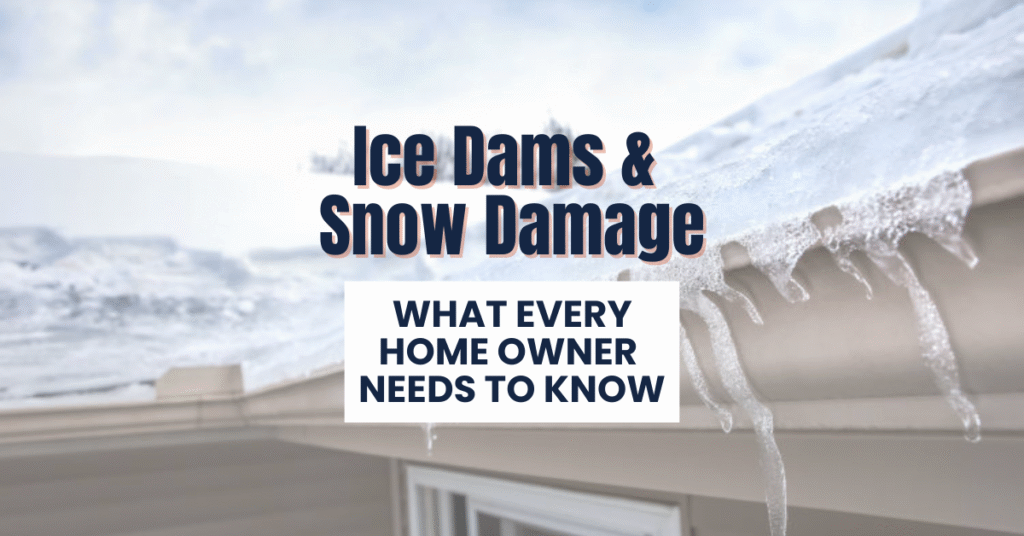
Here’s what Pennsylvania homeowners need to understand right now, especially after significant snowfall: ice dams occur when heavy snow buildup melts during the day and then refreezes when temperatures drop overnight, with the melted water and ice working up under shingles until water enters the attic and eventually damages ceilings, walls and contents.
We’re in prime ice dam season. The snow on your roof right now, combined with Pennsylvania’s notorious freeze-thaw cycles, is creating conditions for ice dam formation. Every day you wait to address this increases your risk of expensive damage.
In this guide, we’re breaking down exactly how ice dams form on Pennsylvania homes, the warning signs you must never ignore, immediate actions you can take right now to prevent damage, and long-term solutions that protect your home winter after winter.
Let’s start with understanding your enemy.
How Ice Dams Form: The Science Behind the Damage
Ice dams aren’t random—they’re the predictable result of specific conditions that Pennsylvania winters deliver reliably.
The formation process: Heat flowing from the house warms the roof surface, causing snow to melt; as water flows down the roof it reaches portions that are below 32°F and freezes, creating an ice dam that grows as it’s fed by melting snow above while limiting itself to portions of the roof that average below freezing.
Here’s the step-by-step cycle:
Heat escapes from your living space into your attic through air leaks around recessed lights, plumbing vents, bathroom fans, attic hatches, and chimney penetrations. This heat warms your attic space and the underside of your roof deck. The warmed roof deck melts the bottom layer of snow sitting on your roof, even when outdoor temperatures are well below freezing.
Melted water runs down your roof slope following gravity. When that water reaches your roof’s edge—the overhang that extends beyond your home’s heated space—it encounters a cold surface. With no heat source below to keep it warm, the water refreezes into ice.
Each cycle of daytime melting and nighttime refreezing adds more ice to the growing dam. As the ice ridge builds, it creates a barrier that traps subsequent meltwater behind it. With nowhere to drain, water pools behind the ice dam, finding every tiny gap in your shingles and working its way underneath.
Once water penetrates beneath your shingles, it saturates your underlayment, soaks into roof decking, drips into insulation, and eventually appears as stains on your ceilings or runs down interior walls.
Why Pennsylvania is ice dam territory: Our climate creates perfect ice dam conditions. We get substantial snowfall—Chester County and Montgomery County average 25-35 inches annually. We experience constant freeze-thaw cycles throughout winter, with daytime temperatures climbing above freezing and nights dropping well below. We have older housing stock, with many homes built before modern insulation and ventilation standards.
The combination is devastating: plenty of snow + temperature fluctuations + heat-leaking houses = ice dam disasters waiting to happen.
Warning Signs You Must Never Ignore
Catching ice dams early dramatically reduces damage potential. Here’s what to watch for after every snowstorm.
Icicles along your roof edge: Small icicles that form and melt quickly are usually harmless, but worry when they’re large, persistent, and appear in the same spots repeatedly; if the same areas of your roof consistently develop icicles while others don’t, you’ve identified a problem zone that needs attention.
Icicles exceeding 12 inches in length signal that significant melting is occurring on your roof and refreezing at the edges—the ice dam formation process in action. Multiple large icicles across your roofline indicate widespread heat loss from your attic.
Uneven snow melt patterns: Look at your roof after a snowfall. If some areas are bare while others remain snow-covered, heat is escaping unevenly. Bare patches above heated rooms with snow-covered overhangs are classic ice dam warning signs. Valleys and areas around skylights or chimneys that melt faster than surrounding roof surfaces indicate problem zones.
Interior water stains: Call right away if you notice water stains on ceilings near exterior walls, active water dripping from ceiling or light fixtures, or ice visible building up behind gutters. By the time you see interior water damage, the ice dam has been feeding water into your home for days or weeks.
Sagging gutters: The weight of ice dams can pull gutters away from your fascia boards. Gutters hanging lower than normal or separating from the house indicate substantial ice accumulation and structural stress.
Ice ridges visible from ground level: If you can see thick ridges of ice along your roof edge from your yard, you have active ice dams that require immediate attention.
Immediate Actions You Can Take Right Now
If you’re reading this after a snowstorm with snow still on your roof, here’s what to do immediately.
Safe snow removal from ground level: After snowfall exceeding 6 inches, use a roof rake from ground level to remove snow from the first 3-4 feet of roof edge, which prevents the snow buildup that feeds ice dam formation.
Roof rakes with telescoping handles allow you to pull snow off your roof without climbing ladders. Focus on the lower 3-4 feet of roof edge where ice dams form. Work carefully to avoid damaging shingles—pull straight down, don’t drag the rake sideways across your roof.
Remove snow after every significant accumulation (6+ inches). The less snow on your roof, the less water available to create ice dams.
What NOT to do: Never climb on icy or snow-covered roofs, use tools to break ice formations, or apply rock salt to shingles, as these approaches create safety hazards and roof damage that far exceed any benefit.
Chipping at ice dams with hammers, ice picks, or shovels damages shingles and flashing. Rock salt corrodes metal components and damages shingles. Climbing on snow-covered roofs risks serious injury or death from falls.
Creating emergency drainage channels: If you already have an ice dam and water is entering your home, you need immediate professional help. Some contractors offer emergency ice dam steaming—using low-pressure steam to melt channels through the ice without damaging your roof. This is the only safe method for removing established ice dams.
Check your attic: If you can safely access your attic, look for signs of water intrusion: dark stains on roof decking, wet insulation, water pooling on the attic floor, or daylight visible through gaps. Document what you see with photos for insurance purposes if needed.
Long-Term Prevention: Fixing the Root Causes
While roof raking addresses symptoms, permanent ice dam prevention requires addressing why your roof gets warm enough to melt snow in the first place.
Attic insulation improvements: Pennsylvania homes should have attic insulation with an R-value of at least R-49 to R-60, which translates to roughly 16-20 inches of blown fiberglass or cellulose insulation.
Most older Pennsylvania homes have inadequate insulation—often just 6-10 inches providing R-19 to R-30. Upgrading to proper levels dramatically reduces heat loss that causes ice dams. Insulation must be evenly distributed across your entire attic floor, with special attention to edges and corners where coverage often fails.
Air sealing your attic: Ensure your attic is properly sealed, well-insulated, and well-ventilated; many homeowners accidentally block airflow paths while adding insulation, trapping heat and moisture—exactly what fuels ice dam formation.
Before adding insulation, seal air leaks that allow warm air to escape into your attic. Common leak points include recessed lighting fixtures (consider replacing with IC-rated or switching to surface-mounted fixtures), plumbing stack penetrations, bathroom and kitchen exhaust fan housings, attic hatches and pull-down stairs, chimney chases, and wire penetrations.
Professional air sealing using spray foam or caulk at these critical points prevents the heat loss that drives ice dam formation.
Proper attic ventilation: Your attic needs balanced ventilation—intake vents at soffits and exhaust vents at the ridge. This airflow removes heat that does escape into the attic, keeping your roof deck cold. Ensure soffit vents aren’t blocked by insulation, ridge vents or roof vents provide adequate exhaust, and attic baffles maintain clear airflow paths from soffit to ridge.
Without proper ventilation, your attic becomes a heat trap that melts snow on your roof regardless of insulation quality.
Ice and water shield protection: Ice and water shield is a waterproof membrane installed under shingles near eaves, valleys, and penetrations that acts like a backup barrier if water backs up; for PA homes that have recurring ice dams, this is a smart upgrade during repairs or replacement.
If you’re getting a new roof or doing major repairs, insist on ice and water shield extending at least 3-6 feet up from your roof edge. This waterproof membrane provides critical backup protection when ice dams do form, preventing water from penetrating into your home even if it gets under shingles.
Gutter maintenance: Help prevent ice dams by clearing gutters of debris and ensuring proper drainage. Clean gutters in late fall ensure melted water can drain away rather than freezing in debris-clogged channels.
However, understand that gutters don’t cause ice dams—they’re just where ice dams become visible. Keeping gutters clean helps, but it doesn’t solve the underlying heat loss problem.
Heat Cables: Are They Worth It?
Many homeowners consider heat cables as an ice dam solution. Here’s the reality.
What heat cables do: Heat cables create melt channels through existing ice dams but don’t prevent dam formation; they’re symptom management rather than prevention, and if you choose to install them, self-regulating cable uses 60-75% less energy than constant-wattage options.
Heat cables installed in zigzag patterns along roof edges and through gutters provide pathways for water to drain even when ice dams form. They manage the symptom (water drainage) without addressing the cause (heat loss from your attic).
The cost-benefit reality: Heat cables consume electricity all winter—hundreds to thousands of dollars in energy costs depending on your roof size and cable type. They require annual inspection and maintenance to ensure proper function. They don’t reduce the frequency or severity of ice dam formation, just manage drainage when dams occur.
If you’re spending $500-$1,500 annually on heat cable electricity plus installation costs, that money would be better invested in permanent solutions like insulation and air sealing that eliminate ice dams entirely while also reducing your overall heating costs.
Heat cables make sense as temporary measures while you save for permanent fixes or as supplemental protection on problem areas after you’ve addressed heat loss. As your primary ice dam strategy? They’re expensive band-aids on a problem that deserves real treatment.
What to Do If You Already Have Ice Dam Damage
If water has already penetrated your home, immediate action limits the destruction.
Stop the leak source: Professional ice dam removal using steam methods creates drainage channels without damaging your roof. This is not DIY work—call experienced contractors immediately.
Contain interior damage: Place buckets under active drips, move furniture and belongings away from damaged areas, use fans to dry wet areas quickly, and run dehumidifiers to prevent mold growth.
Document everything: Take photos and videos of exterior ice dams, interior water damage, damaged belongings, and all repair work. This documentation supports insurance claims.
Contact your insurance: Homeowner’s insurance typically covers ice dam damage. File claims promptly and follow your insurer’s requirements for documentation and contractor selection.
Address underlying causes: Don’t just repair the damage and move on. Identify why ice dams formed and implement permanent prevention measures before next winter.
Conclusion
Ice dams aren’t inevitable winter features—they’re preventable problems caused by heat escaping from your home. Right now, after this week’s snowstorm, thousands of Pennsylvania homes are developing ice dams that will cause expensive damage in coming days and weeks.
The good news? You have control. Immediate actions like safely removing snow from roof edges reduce ice dam formation risk this winter. Long-term solutions including proper insulation, thorough air sealing, and adequate ventilation eliminate ice dams permanently while also reducing your heating costs. Don’t wait for water stains on your ceiling to take action. If you’re seeing large icicles, uneven snow melt, or ice ridges along your roof edge, you have ice dam formation happening right now. Every day you delay increases damage risk and repair costs.
Pennsylvania winters will keep testing your roof year after year. The question is whether you’ll address the vulnerabilities that create ice dams or keep gambling that this winter won’t be the one that causes catastrophic damage.
Concerned about ice dams on your roof? We provide comprehensive ice dam prevention solutions throughout Chester County, Montgomery County, and all of southeastern Pennsylvania and New Jersey. Our experienced team will inspect your attic insulation and ventilation, identify heat loss sources creating ice dam risk, recommend cost-effective prevention strategies, and implement permanent solutions that protect your home winter after winter.
Schedule your ice dam prevention inspection today! Call us at 484-369-0040 or contact us online. Don’t wait for water damage to force emergency action. Let’s protect your home before the next storm hits. We’re here to help you enjoy worry-free winters knowing your roof is properly protected!